
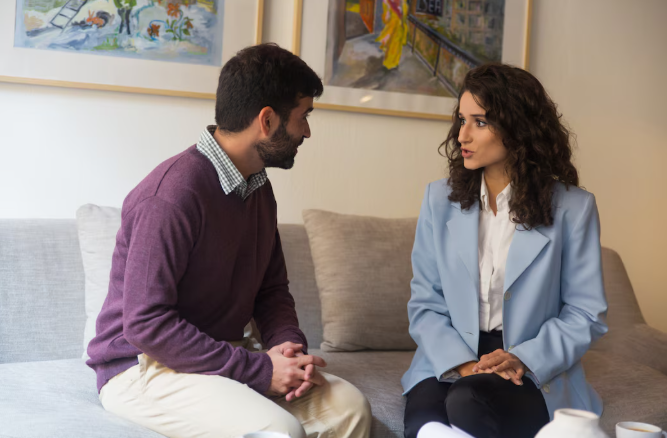
How Couples Therapy Improves Communication and Emotional Connection
Relationships are built on connection, trust, and communication. Yet even the strongest couples can experience periods where conversations feel strained, misunderstandings become frequent, and emotional closeness fades. These challenges are common, but when left unaddressed, they can create long-term distance between partners.
Couples therapy offers a structured and supportive way to navigate these difficulties. It focuses on helping partners understand each other more deeply, communicate more effectively, and rebuild emotional connection over time.
At Waverley Counselling, couples are guided through a thoughtful process that explores both communication patterns and the emotional experiences that shape them.
What Is Couples Therapy?
Couples therapy is a professional process designed to help partners improve their relationship dynamics. It involves working with a trained therapist who facilitates conversations, identifies challenges, and introduces practical tools for change.
Through marriage counseling, couples gain insight into how their thoughts, emotions, and behaviors influence their interactions.
Key Objectives of Couples Therapy
- Strengthen communication skills
- Improve emotional understanding
- Resolve recurring conflicts
- Rebuild trust and intimacy
- Foster long-term relationship growth
Couples therapy is not limited to relationships in crisis. Many couples seek support to enhance their connection and prevent future issues.
The Importance of Communication in Relationships
Communication is more than just exchanging words. It is the way partners express needs, share emotions, and build understanding.
When communication breaks down, couples may experience:
- Frequent misunderstandings
- Emotional disconnection
- Increased conflict
- Feelings of frustration or loneliness
Addressing these challenges through marriage relationship counseling can help restore clarity and connection.
Why Communication Breakdowns Happen
Understanding the reasons behind communication issues is essential for creating meaningful and lasting change in a relationship. Communication problems rarely appear suddenly. They usually develop over time due to emotional patterns, habits, and unaddressed concerns.
1. Emotional Triggers
Emotional triggers are often rooted in past experiences, unresolved conflicts, or deeply held beliefs. When a current situation reminds someone of a past hurt, their reaction may be stronger than expected.
2. Assumptions and Misinterpretations
Assumptions are a common barrier to clear communication. Instead of asking for clarification, partners may rely on their own interpretations of what the other person means or feels. This can result in misunderstandings, especially when tone, body language, or context is misread.
3. Lack of Active Listening
Active listening involves fully focusing on what the other person is saying without interrupting or planning a response. In many relationships, individuals listen with the intent to reply rather than to understand. This often leads to missed details, invalidated feelings, and frustration.
4. Avoidance of Difficult Conversations
Avoiding uncomfortable topics may seem like a way to maintain peace in the short term, but it often leads to unresolved issues building up over time. Important conversations about needs, expectations, or concerns may be delayed due to fear of conflict or emotional discomfort.
Through marriage and couples counseling, couples learn to identify and address these patterns.
How Couples Therapy Improves Communication
Couples therapy provides practical strategies to improve how partners interact with each other.
1. Creating a Safe and Neutral Space
Therapy sessions offer a supportive environment where both partners can express themselves without fear of judgment or interruption.
In couples therapy, therapists ensure that both voices are heard equally.
2. Teaching Active Listening
Active listening is one of the most important skills in communication.
Couples learn to:
- Pay full attention to their partner
- Avoid interrupting
- Reflect and clarify what they hear
This helps reduce misunderstandings and fosters mutual respect.
3. Replacing Negative Communication Patterns
Many couples fall into patterns such as criticism, defensiveness, or withdrawal.
Through couples marriage counseling, these behaviors are identified and replaced with healthier communication strategies.
4. Improving Conflict Resolution Skills
Conflict is a natural part of relationships, but how it is managed determines its impact.
Therapy teaches couples to:
- Stay calm during disagreements
- Focus on solutions rather than blame
- Communicate needs clearly
These skills contribute to more productive and respectful conversations.

Strengthening Emotional Connection
While communication is essential, emotional connection is what sustains a relationship.
1. Exploring Underlying Emotions
Often, surface-level conflicts are driven by deeper emotions such as fear, insecurity, or unmet needs.
Couples can gain insight into these emotions through identifying the deeper emotions that lie under anger in a relationship.
2. Building Empathy
Empathy allows partners to understand and validate each other’s experiences.
Therapists guide couples to:
- Recognize emotional needs
- Respond with understanding
- Support each other effectively
This is a key aspect of marriage counseling.
3. Rebuilding Trust
Trust can be weakened over time due to misunderstandings or past experiences.
Couples therapy helps rebuild trust by:
- Encouraging honest communication
- Setting clear expectations
- Promoting consistency in actions
Through couples therapy, partners can restore a sense of reliability.
4. Enhancing Emotional Intimacy
Emotional intimacy involves feeling close, understood, and valued.
Therapy encourages couples to:
- Share personal thoughts and feelings
- Express appreciation
- Strengthen their emotional bond
Techniques Used in Couples Therapy
Different therapeutic approaches are used to address communication and emotional challenges.
1. Emotionally Focused Therapy (EFT)
EFT helps couples strengthen emotional bonds by identifying core feelings and improving attachment patterns between partners.
2. Cognitive Behavioral Therapy (CBT)
CBT enables couples to recognize and change negative thought patterns that influence communication and behavior.
3. Communication Exercises
These include structured conversations, reflective listening, and role-playing to build healthier and more effective communication skills in relationships.
Such techniques are commonly used in marriage relationship counseling.
4. Guided Conflict Discussions
Therapists facilitate conversations to help couples address specific issues in a constructive way.
When to Consider Couples Therapy
Couples therapy can be beneficial at any stage of a relationship.
Signs You May Benefit
- Frequent arguments
- Difficulty communicating
- Emotional distance
- Trust issues
- Recurring unresolved conflicts
Seeking help through marriage counseling early can prevent issues from escalating.
What to Expect During Therapy Sessions
Understanding the process can make therapy feel more approachable.
Initial Sessions
- Discussion of relationship history
- Identification of key concerns
- Goal setting
Ongoing Sessions
- Practice communication skills
- Address challenges
- Build emotional awareness
More information can be found through sessions & fees.
Long-Term Benefits of Couples Therapy
Couples who engage in therapy often experience meaningful and lasting improvements.
Key Benefits
- Improved communication
- Stronger emotional connection
- Better conflict resolution
- Increased relationship satisfaction
- Greater understanding of each other
Through consistent effort in marriage and couples counseling, these benefits extend beyond the therapy sessions.
Practical Communication Tips for Couples
In addition to therapy, couples can adopt simple habits to improve communication.
Everyday Strategies
- Set aside time for meaningful conversations
- Avoid distractions during discussions
- Use clear and respectful language
- Practice patience and understanding
These habits can reinforce the skills learned in therapy.
Conclusion
Couples therapy is a valuable resource for improving communication and strengthening emotional connection. By addressing underlying challenges and developing practical skills, couples can build healthier, more fulfilling relationships.
If you are considering taking the next step, you can reach out through the contact us page to explore how professional support can help you and your partner reconnect and grow together.
FAQs
1. How does couples therapy improve communication?
It helps partners develop active listening skills, express themselves clearly, and reduce misunderstandings.
2. Can couples therapy rebuild emotional connection?
Yes, it focuses on understanding emotions, building empathy, and strengthening intimacy.
3. How long does couples therapy take?
The duration varies depending on the couple’s needs and goals.
4. Is couples therapy only for married couples?
No, it is beneficial for all types of relationships.
5. What happens in a couples therapy session?
Sessions typically involve guided discussions, skill-building exercises, and conflict resolution strategies.