

The Hidden Link Between Anxiety and Relationship Conflict: What Couples Often Miss
Anxiety and relationship conflict are often viewed as separate issues, but in practice they are closely connected. When anxiety is present in a relationship, it can shape how partners communicate, interpret each other’s behaviour, and respond during disagreements. Over time, this can lead to recurring conflict patterns that feel difficult to break.
At Waverley Counselling, couples often seek support when they notice that emotional tension and misunderstandings are becoming a regular part of their relationship. Many are surprised to learn that anxiety, whether experienced by one or both partners, can significantly influence relationship dynamics.
This article explores how anxiety and relationship conflict are linked, why this connection is often overlooked, and how structured support such as counselling can help couples rebuild healthier communication patterns.
Understanding the Link Between Anxiety and Relationship Conflict
Anxiety does not only affect internal thoughts; it often influences behaviour in close relationships. When a person feels anxious, they may become more sensitive to tone, body language, or perceived emotional distance. This can lead to misinterpretation of neutral situations as negative or threatening.
Relationship conflict can also increase anxiety. Frequent arguments or unresolved disagreements can create emotional insecurity, making partners more reactive over time. This cycle often repeats unless it is addressed consciously.
Common patterns include:
- Overthinking a partner’s words or actions
- Reacting emotionally during disagreements
- Avoiding difficult conversations
- Seeking frequent reassurance
- Feeling misunderstood or emotionally unsafe
To better understand supportive approaches, many couples explore counselling services designed to help individuals and couples manage emotional and communication challenges.
How Anxiety Shows Up in Relationships
Anxiety in relationships often shows up as overthinking a partner’s words or actions, leading to misinterpretation of neutral situations as negative. It can also cause emotional sensitivity, reassurance-seeking, and difficulty communicating needs clearly during conflict.
Emotional sensitivity and triggers
Anxiety can heighten emotional sensitivity. Small changes in a partner’s behaviour, such as a delayed response or a short reply, may be interpreted as rejection or disinterest. This often leads to unnecessary tension.
Communication challenges
When anxiety is high, communication may become indirect or defensive. Instead of expressing needs clearly, individuals may hint, withdraw, or react impulsively, which can lead to misunderstandings.
Reassurance-seeking behaviour
It is common for anxious individuals to seek reassurance from their partner. While reassurance can temporarily reduce anxiety, over-reliance on it may create imbalance if underlying emotional regulation is not addressed.
Why Relationship Conflict Can Increase Anxiety
Conflict is a natural part of relationships, but when it becomes repetitive or unresolved, it can intensify anxiety levels. Partners may begin to anticipate conflict even during calm periods, which affects emotional safety.
This can result in:
- Avoidance of important conversations
- Emotional withdrawal
- Heightened sensitivity to criticism
- Reduced trust in communication
When these patterns persist, couples often feel stuck in cycles of misunderstanding.
Professional support such as marriage relationship counselling in Glen Waverley can help couples explore these cycles in a structured environment and develop healthier responses.
The Role of Communication in Breaking the Cycle
Clear communication helps break the cycle by reducing misunderstandings and allowing partners to express needs calmly instead of reacting emotionally. Active listening and honest expression create emotional safety, which lowers anxiety-driven responses during conflict.
Identifying emotional triggers
One of the most important steps in addressing anxiety-related conflict is identifying triggers. These triggers may come from past experiences, unmet emotional needs, or fear of rejection.
Practising active listening
Active listening involves fully focusing on what the partner is saying without immediate judgment or interruption. This helps reduce defensiveness and improves understanding.
Expressing needs clearly
Clear communication reduces confusion. Instead of reacting emotionally, couples can learn to express needs calmly and directly, which reduces escalation during disagreements.
How Marriage Counselling Supports Couples
Structured counselling provides a neutral space where couples can explore emotional patterns without blame. It helps partners understand how anxiety influences reactions and how to respond differently in conflict situations.
Many couples begin with marriage counselling to address ongoing communication issues and emotional disconnection.
Key areas addressed in counselling
It include improving emotional awareness, developing healthier communication patterns, and learning effective conflict resolution skills. It also focuses on rebuilding emotional safety, trust, and understanding between partners to reduce anxiety-driven reactions.
1. Emotional awareness: Couples learn how anxiety influences thoughts, emotions, and behaviours within the relationship.
2. Conflict management skills: Counselling introduces practical tools to manage disagreements in a calmer and more constructive way.
3. Emotional safety building: A stronger sense of emotional safety helps reduce anxiety-driven reactions and improves trust between partners.
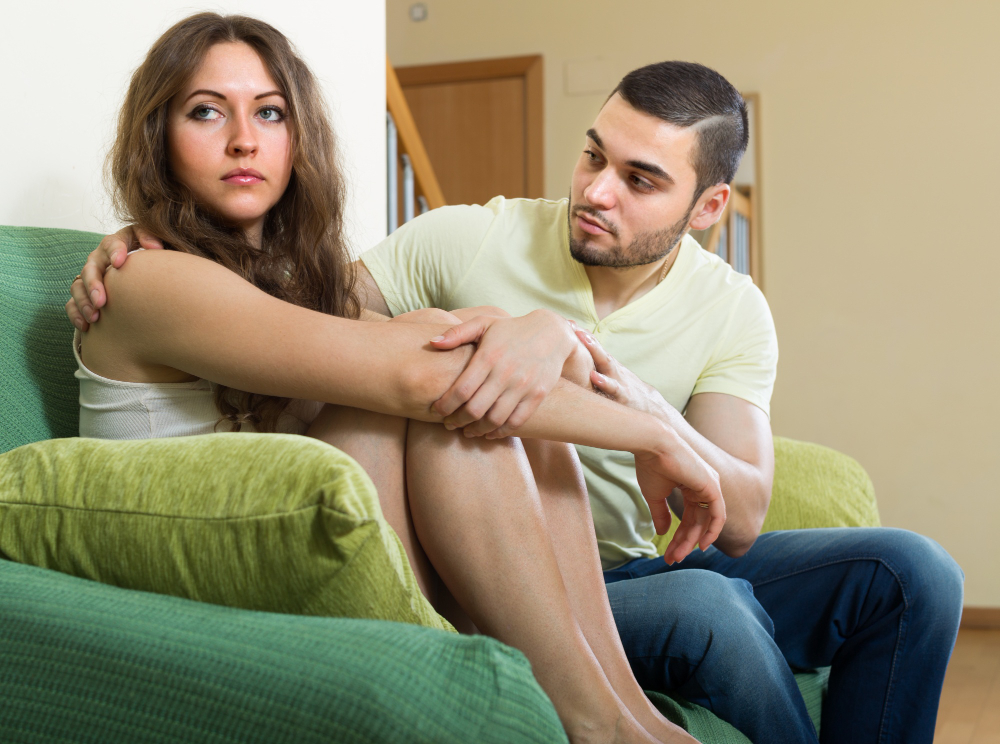
Couples Therapy and Anxiety Management
When anxiety plays a central role in relationship conflict, couples therapy can provide structured support to break unhelpful cycles. It allows both partners to better understand emotional responses and develop healthier communication habits.
Many individuals search for couples therapy near me when they notice recurring patterns of conflict that feel difficult to manage on their own.
Couples therapy may help with:
- Reducing emotional reactivity during conflict
- Understanding attachment patterns
- Improving emotional regulation skills
- Rebuilding trust after repeated misunderstandings
What Couples Often Miss About Anxiety and Conflict
Many couples assume their issues are only related to communication styles or personality differences. However, anxiety often plays a deeper and less visible role in shaping reactions and interpretations.
Conflict often comes from emotional protection: Many defensive reactions in relationships are rooted in a need to feel safe and understood rather than a desire to hurt the partner.
Anxiety can distort perception: When anxiety is present, neutral situations may be misread as negative, leading to misunderstandings and emotional tension.
Reassurance is not a long-term solution: While reassurance can temporarily ease anxiety, lasting improvement requires addressing the deeper emotional patterns behind it.
Both partners influence the cycle: Even if one partner experiences more anxiety, both individuals shape the communication patterns and contribute to the ongoing relationship cycle.
When Couples Should Seek Support
Couples may benefit from counselling when:
- Arguments repeat without resolution
- Communication feels strained or unclear
- Emotional distance is increasing
- Anxiety is affecting daily interactions
- Trust feels weakened or unstable
Early intervention can help prevent long-term emotional disconnection and strengthen relationship resilience.
Building Healthier Relationship Patterns
Improving relationship dynamics requires consistent effort and awareness from both partners. Small changes in communication can make a significant difference over time.
Helpful strategies include:
- Taking breaks during heated conversations
- Using calm and respectful language during conflict
- Practising “I” statements instead of blame
- Scheduling regular emotional check-ins
- Seeking structured support when needed
Over time, these habits can reduce anxiety-driven reactions and improve emotional connection.
FAQ
1. How are anxiety and relationship conflict connected?
Anxiety can influence how individuals interpret communication and respond emotionally, often increasing sensitivity during disagreements.
2. Can marriage counselling help with anxiety in relationships?
Yes, marriage counselling helps couples understand emotional patterns and improve communication.
3. What is the difference between couples therapy and marriage counselling?
Both focus on improving communication, emotional understanding, and relationship stability, though methods may vary depending on the practitioner.
4. When should couples consider counselling?
When conflicts become repetitive, communication breaks down, or anxiety affects daily interactions, professional support may be helpful.
5. Can anxiety improve without therapy?
Some improvement is possible with awareness and communication strategies, but therapy can provide structured tools for long-term change.
Conclusion
The connection between anxiety and relationship conflict is often subtle but significant. When left unaddressed, it can lead to repeated misunderstandings, emotional reactivity, and distance between partners. Recognising these patterns is an important step toward building healthier communication and emotional safety.
Support from a qualified professional can help couples break these cycles and develop stronger relational skills. If you would like to explore support options, you can visit the contact page or book an appointment through appointment page.
Understanding how anxiety influences relationship conflict allows couples to move from reactive patterns toward more stable, supportive, and connected relationships.